
Destination guide
Everything you need to know about Tsavo East & West National Parks.
Why visit Tsavo
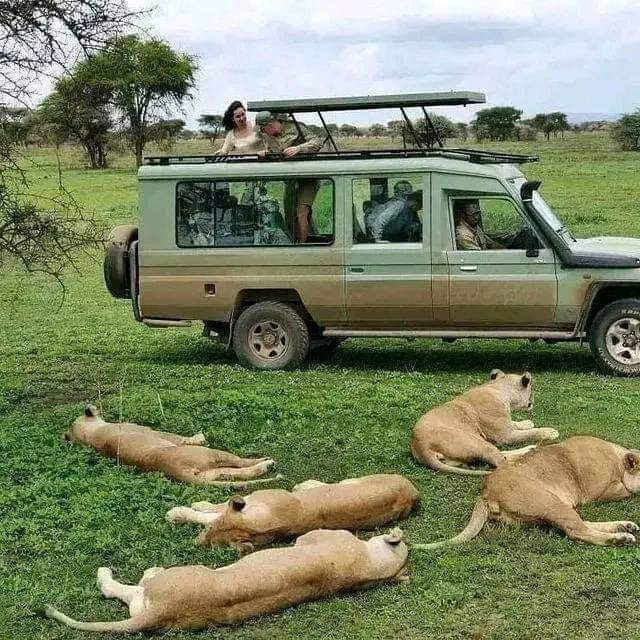
Tsavo is Kenya's largest protected area and one of the largest national parks in the world — Tsavo East at 11,747 km² and Tsavo West at 9,065 km², for a combined 22,000 km². Together they hold roughly 12,000 elephants, the highest population of any single park in Kenya, plus all the Big Five, the largest population of Tsavo's distinctive red-coated lions and a 60-million-year-old volcanic landscape that is utterly different from the Mara or Amboseli. Where the Mara is busy and the Amboseli is small and concentrated, Tsavo is vast, wild and quiet — you can drive a half-day in the southern Tsavo East and see fewer than five other vehicles. For travellers who want raw wilderness, photography away from the crowds and a budget-friendly safari close to the coast, Tsavo is the answer.
Tsavo East: red elephants and the Yatta Plateau
Tsavo East is the larger and drier half. Its trademark is the red elephant — the local soil's high iron content turns the elephants a deep terracotta whenever they dust-bathe, which they do every day. The Galana River cuts the park east-to-west and concentrates wildlife along its banks; Lugard's Falls is the river's most photographed point. The Yatta Plateau, the world's longest lava flow at 290 km, runs along the western boundary. Aruba Dam in the centre is the major water source and the elephant herds gather there in the dry season. Wildlife includes lion, cheetah, leopard, fringe-eared oryx, lesser kudu, gerenuk and 500+ bird species.
Tsavo West: Mzima Springs and lava flows
Tsavo West is the smaller, greener and more dramatic half. Mzima Springs — a freshwater oasis fed by Kilimanjaro snowmelt — discharges 250 million litres of water per day into pools full of hippo and crocodile, with an underwater observation chamber that lets you see them swimming. The Shetani Lava Flow is a 50 km² black volcanic field that erupted only 200 years ago. The Chyulu Hills rise to 2,188 m on the western side. Wildlife is denser than in Tsavo East because of the better rainfall; lion, cheetah, leopard, elephant and rhino (in Ngulia Rhino Sanctuary) are all present.
The Tsavo lion legend
In 1898 two male lions — distinctive for being maneless — killed roughly 28 to 135 Indian and African workers building the Uganda Railway bridge at Tsavo. They were eventually shot by Lt-Col John Henry Patterson and the story became the basis of the film 'The Ghost and the Darkness'. Tsavo's lions are still genetically distinctive: maneless or scant-maned bulls are common, and they are larger and more aggressive than typical East African lions. The skulls of the original two man-eaters are at the Field Museum in Chicago; the bridge they attacked still stands and a small monument marks the site near Tsavo Station.
Best time to visit
Like most of Kenya's safari parks, Tsavo is best in the dry seasons: June through October and January through early March. Wildlife concentrates around the permanent water sources — the Galana River, Aruba Dam and Mzima Springs — and visibility through the bush is far better. The long rains (April–May) and short rains (November–December) make the dirt tracks difficult and the bush thick, but the colours are extraordinary and prices drop sharply. For a coastal-combination trip — Tsavo plus Diani Beach — any month except the heaviest of the long rains is acceptable.
Where to stay
Mid-range options in Tsavo East include Voi Wildlife Lodge ($180–250 per person), Sentrim Tsavo East and Ashnil Aruba near the dam. In Tsavo West, Severin Safari Camp, Kilaguni Serena, Ngulia Safari Lodge ($220–350 per person) are the standards. Comfort-tier options like Finch Hattons in Tsavo West run $400–600 per person all-inclusive. Galdessa Camp and Satao Camp on the Tsavo East side are at $500–800 per person. Several budget self-catering bandas inside the parks are available through KWS for $40 per person.
How to get to Tsavo
Both parks are easily accessible from Nairobi and from the Mombasa coast. Tsavo East's Voi Gate is 235 km from Nairobi via the A109 highway (4 hours) and 145 km from Mombasa (3 hours). Tsavo West's Mtito Andei Gate is on the same A109 highway. Many travellers fly into Mombasa for a coastal holiday and add a 3-day Tsavo extension on the way back to Nairobi. SGR train from Nairobi or Mombasa stops at Voi and Mtito Andei; you can be picked up by your safari operator at the train station, which is the most cost-effective way to reach Tsavo for a budget trip.
Tsavo plus the coast: the perfect combination
The single best argument for Tsavo is its position on the road to Mombasa. A 3-night Tsavo East safari followed by 4 nights at Diani Beach delivers the full Kenya experience — Big Five wildlife and Indian Ocean beach — in a 7-day trip that is roughly 30% cheaper than a Mara + Mombasa equivalent. The drive from Voi to Diani is 4 hours on the same highway you came down from Nairobi. For families wanting a bush + beach holiday on a budget, Tsavo + Diani is the right call.
Park fees and practical info
Both parks are KWS-managed. Non-resident fees are $52 per adult per day in each park (paid separately if you visit both). Vehicle entrance fee is $4 per car per day. Self-drive is permitted and a 4×4 is essential — much of the park is corrugated dirt. Roads can be rough, especially in Tsavo East's southern sector. Cell signal is patchy. Pack a printed copy of your itinerary and the camp's emergency number. The wildlife is wilder, the drives are longer, and the rewards are bigger than at the smaller, more famous parks.