

Mountain planning
Mount Kenya and Kilimanjaro: choosing a climb responsibly
Choose a mountain trip by the objective, sleeping-altitude profile and support arrangements. A summit trek, a technical rock climb and a forest day hike have different demands; a shorter schedule is not automatically easier or better value.
A highland valley on Mount Kenya.Photo: © Bett Duncan · CC BY-SA 4.0 · Image credits

Name the objective precisely
On Mount Kenya, a trekking itinerary aimed at Point Lenana differs from technical climbing on Batian or Nelion. The proposal should identify the objective, route, accommodation and any climbing equipment or experience requirements. Do not infer that reaching a high viewpoint means reaching the mountain’s highest summit.
Kilimanjaro’s regular trekking routes lead through changing altitude zones towards a high summit. TANAPA distinguishes Marangu’s hut accommodation from the tented camps used on other routes. A Marangu-to-Mandara day hike samples the forest without being a summit climb.
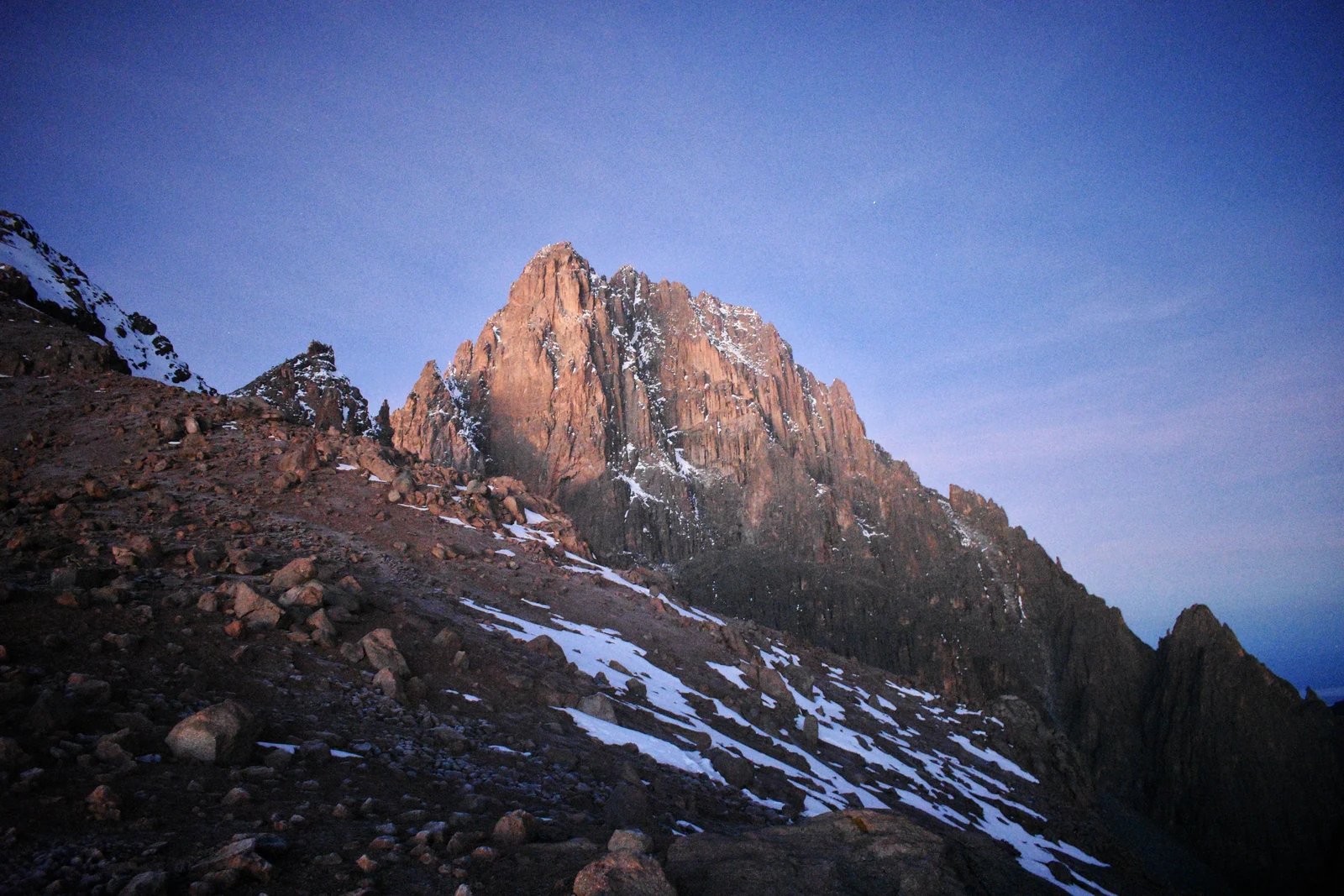
Batian peak and rocky high-altitude terrain on Mount Kenya.Photo: © Bett Duncan · CC BY-SA 4.0 · Image credits

Assess the sleeping profile before the summit claim
Ask for the altitude of each overnight stop and the reason for the schedule. More gradual ascent gives the body time to adjust, but fitness and determination do not remove altitude risk. A higher advertised success rate is not a substitute for a suitable route and clear safety decisions.
CDC guidance treats gradual acclimatization as central to prevention. Discuss your health, previous altitude experience and any medication questions with a clinician before booking. Report symptoms promptly on the mountain and follow the guide’s assessment; continuing upwards is not the goal if someone is unwell.
Understand the team and emergency plan
Ask who will lead the trek, what relevant training can be evidenced, what communications and emergency equipment are carried, and how evacuation would work from different stages. A park rescue charge, emergency equipment and personal medical evacuation insurance are separate things.
Check whether your own insurance covers the named mountain, planned maximum altitude and any technical climbing. Get the insurer’s answer for the actual activity, rather than assuming ordinary holiday cover includes it.
Prepare for cold, wet conditions and tired feet
Arrange the equipment list before travel so there is time to test boots, layers and a loaded daypack. Compare what is supplied, rented and personal: sleeping bag temperature suitability, waterproof layers, headlamp, gloves and spare batteries need explicit answers.
Ask about main-bag and porter limits, keeping essentials dry, drinking-water treatment and dietary arrangements. Any power-dependent medical device requires a concrete charging and backup plan. A lodge’s facilities before the trek do not describe what will be available on the mountain.
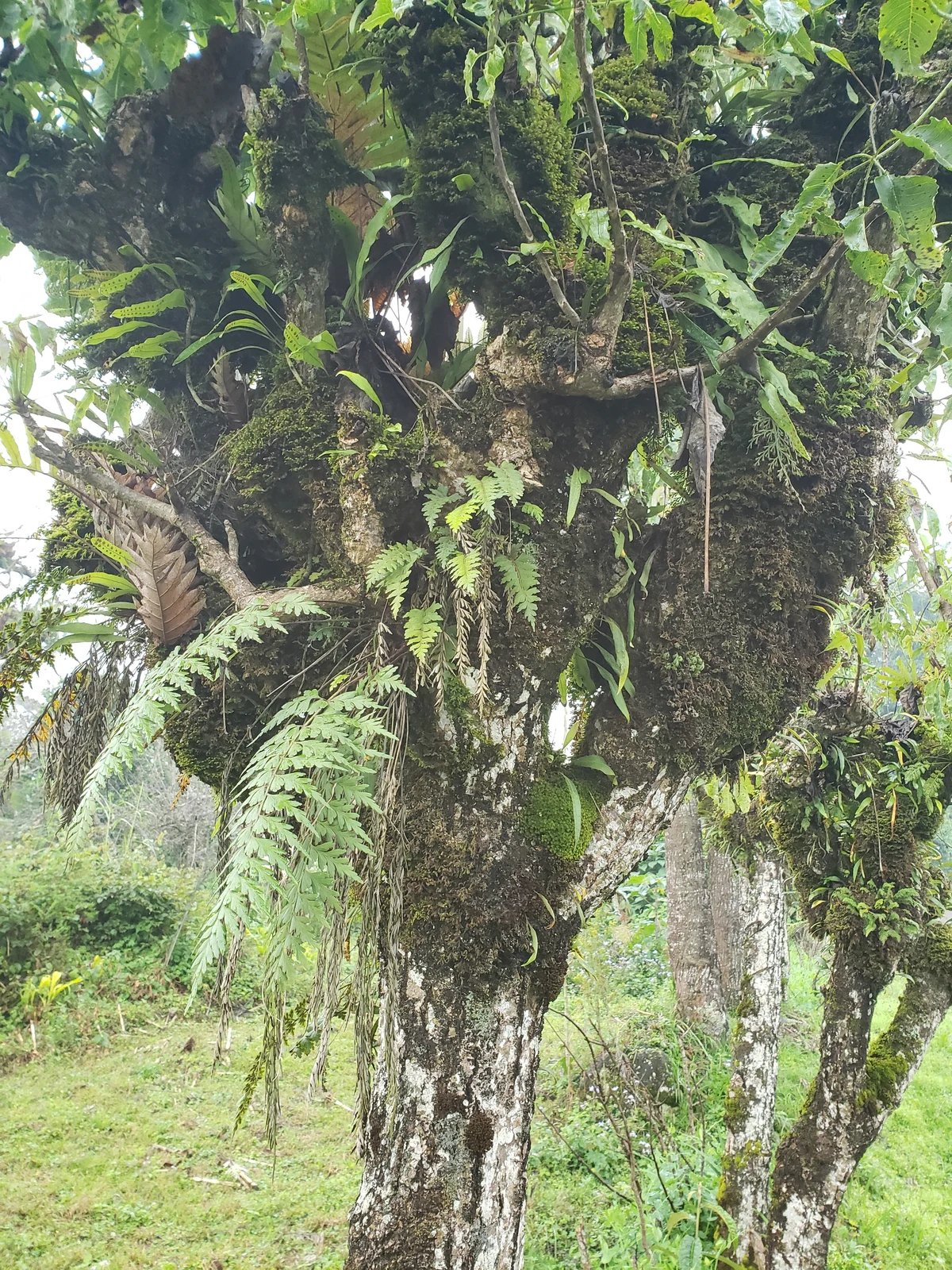
Moss-covered trees beside the Marangu route on Kilimanjaro.Photo: © Lenbz · CC BY-SA 4.0 · Image credits

Leave room around the climb
For Mount Kenya, Sirimon, Naro Moru and Chogoria provide different access arrangements. For Kilimanjaro, the start gate, finish gate and overnight town affect transfers. Check what happens if the trek ends early or an extra hotel night is needed.
Allow recovery time before a safari or beach transfer. If a summit attempt would dominate the holiday for only part of the group, compare separate activities and a later meeting point rather than assuming everyone needs the same objective.
Questions travellers ask
- Is Mount Kenya trekking the same as technical climbing?
- No. Confirm the named summit or viewpoint. Point Lenana trekking and technical routes on Batian or Nelion require different experience, equipment and guiding arrangements.
- Does being fit prevent altitude illness?
- No. Fitness helps with exertion but does not guarantee acclimatization. A suitable ascent profile, early symptom reporting and clinician advice are still important.
- Can I enjoy a mountain without attempting a summit?
- Yes. A lower-altitude day hike or foothills stay may suit the holiday better. Confirm the walk’s distance, ascent, terrain and current park arrangements.
Sources checked
Last checked: .
Official sources support factual guidance; route and pacing suggestions are planning advice from Family's catalogue. Entry rules, park conditions and activity availability can change. Check the linked authority again before departure.