
Destination guide
Everything you need to know about Maasai Mara National Reserve.
Why visit Maasai Mara
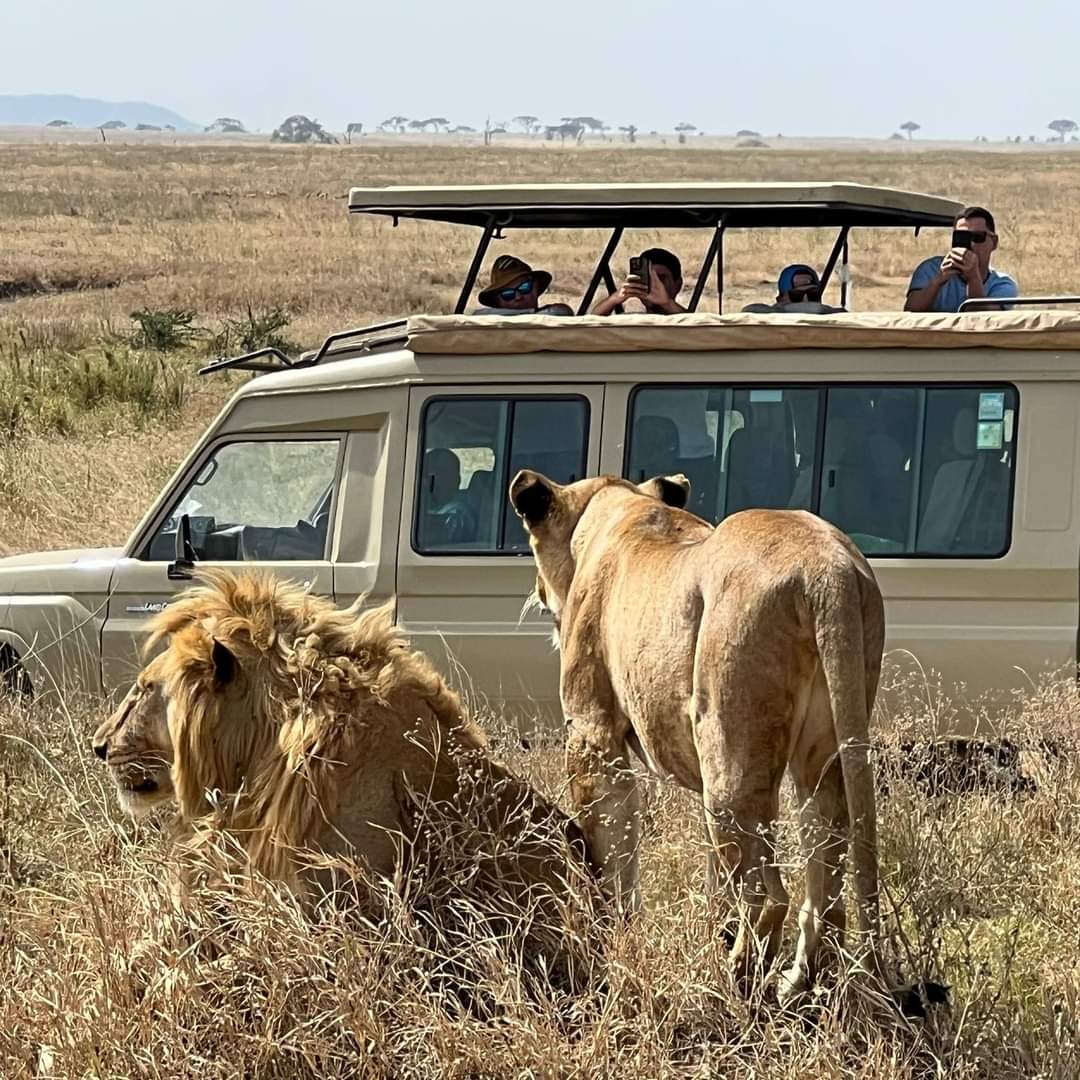
The Maasai Mara National Reserve is the most extraordinary wildlife destination on Earth. Pressed against Tanzania's Serengeti along Kenya's south-western border, the Mara's 1,510 km² of golden savanna host the highest predator density on the continent: an estimated 850–900 lions, 300+ leopards, 50–60 cheetahs, and the largest spotted hyena population anywhere. From July through October the Mara becomes the stage for the world's most dramatic wildlife spectacle — the great wildebeest migration — when 1.5 million wildebeest, 250,000 zebra and 350,000 gazelle pour across the Mara River from Tanzania's Serengeti, hunted at the bank by Nile crocodiles and stalked on the plains by the Marsh Pride and Topi Plains lions. Even outside migration season the resident wildlife is staggering. A morning game drive in the Mara typically delivers more big-cat sightings in three hours than most African parks deliver in a week.
Wildlife you'll see in the Maasai Mara
All Big Five live here. Lion sightings are almost guaranteed; the Mara's famous prides — the Marsh Pride along the Musiara Marsh, the Topi Plains pride near Olare Orok, the Rongai pride in the north — are among the most studied in Africa. Leopards drape across the limbs of sausage trees along the Talek and Olare Orok rivers. Cheetahs hunt on the open plains around Naboisho and Mara North. Elephant herds shadow the Mara River, and the rare black rhino still walks the Mara Triangle and Mara Conservancy. During migration season July–October, the river crossings at Lookout Hill and Serena crossings are the moments most travelers come for. Bird life is equally rich: African fish eagle, secretary bird, ground hornbill, and the lilac-breasted roller — Kenya's national bird — punctuate every drive.
Best time to visit Maasai Mara
The migration window runs July through October, with peak Mara River crossings between mid-August and mid-September. If your priority is the crossings, plan for late August. November to early December brings the short rains — green grass, fewer vehicles and dramatic skies. December through March is excellent dry-season game viewing with all the resident cats still present and dropping cubs; the migration itself is in Tanzania's southern Serengeti for calving (December–March) so plan a Tanzania trip if calves and predator action are the goal. April and May (long rains) bring the lowest prices, the freshest landscapes, migratory birds in plumage and almost no other vehicles — a quiet luxury most travelers underrate.
How to get to Maasai Mara
Two options. By road, the Mara is 270 km / 5–6 hours from Nairobi via Narok on a route that is now fully tarmacked except for the final stretch from Sekenani Gate. Most safari operators include the road transfer in mid-range packages. By air, scheduled charter flights leave Wilson Airport in Nairobi from 0945 and 1500 daily and reach Keekorok, Mara Serena, Musiara, Ol Kiombo or Olare Orok airstrips in 45 minutes. Fly-in safaris cost $300–400 more per person but save a full day each way and place you straight into the bush. The road option pairs beautifully with Lake Nakuru and Lake Naivasha en route, turning a Mara trip into a 6–8 day Rift Valley circuit.
Mara Triangle vs Eastern Sector vs Conservancies
The reserve has three distinct zones. The Mara Triangle (western sector, managed by the not-for-profit Mara Conservancy) has better-maintained roads, fewer vehicles, and stricter off-roading rules. The Eastern Sector (managed by Narok County Government) is busier, with more lodges and easier access from Sekenani Gate. The northern conservancies — Mara North, Olare Motorogi, Naboisho, Ol Kinyei and Lemek — sit on Maasai community land leased to a small number of camps. They offer the most exclusive experience: walking safaris, night drives, no day-tripper crowds and sundowners on a kopje with no other vehicle in sight. Conservancy fees are higher but the difference in atmosphere is significant, and the lease payments go directly to Maasai landowners.
Where to stay in the Mara
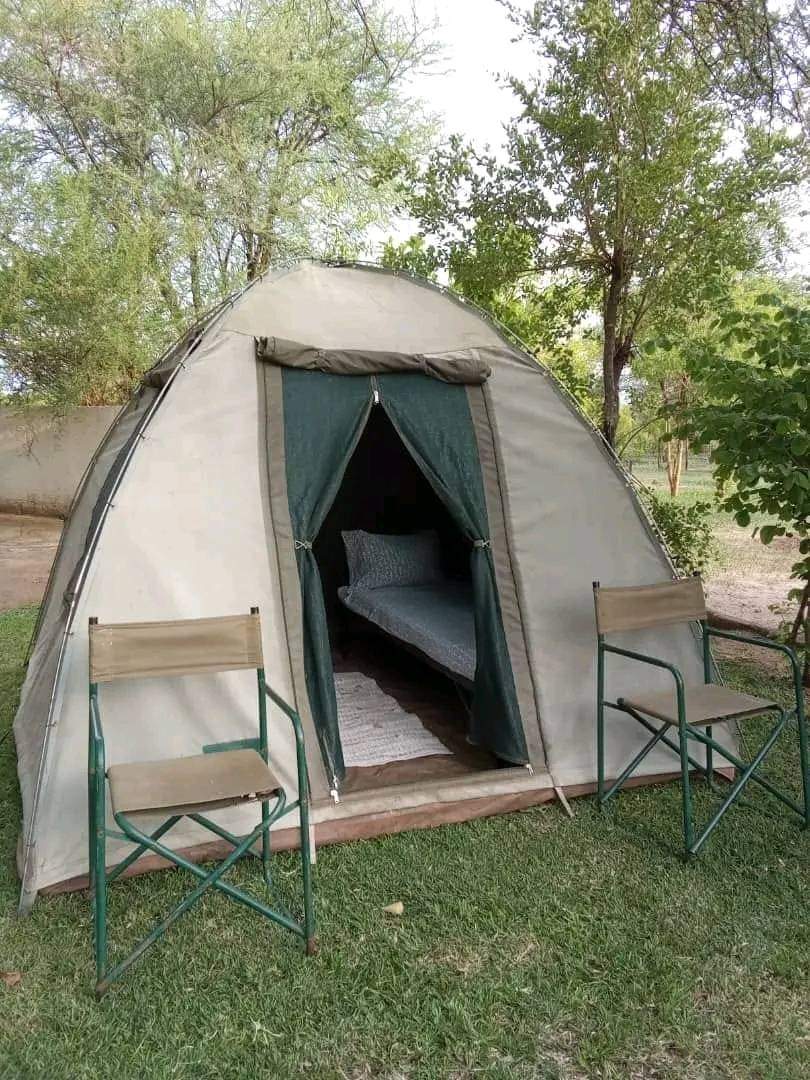
Lodges sit on three tiers. Mid-range options like Mara Sopa, Sarova Mara, Mara Serena and Keekorok Lodge run roughly $200–300 per person per night with full board and game drives included. Comfort-tier camps such as Mara Engai, Ashnil Mara and Olarro South sit at $400–600 per person. Luxury camps — Governors Camp, Mara Plains, Sanctuary Olonana, &Beyond Bateleur — run $800–1,500 per person per night and include all drinks, conservancy fees and private guiding. A 'tented camp' in the Mara is rarely a backpacking tent; expect a canvas-roofed suite with a king bed, en-suite bathroom, hot bucket showers and a verandah looking onto the plains.
Things to do beyond game drives
A hot-air balloon safari ($450 per person) lifts off at first light, drifts silently over the migration herds for 60 minutes and lands to a champagne breakfast served on the plains. A Maasai cultural visit ($25 per person, paid directly to the village) shows you a working manyatta, a warrior dance, and how families coexist with wildlife on grazing land — choose conservancy-led visits over tourist-trap manyattas at park gates. In the conservancies you can do walking safaris with an armed Maasai ranger, photographic-hide sessions at waterholes and night drives that reveal aardvark, serval and bushbabies. Sundowner drives — gin and tonic on a kopje at dusk — are included in most camps from comfort-tier upward.
Maasai cultural context
The Mara is named for the Maasai people who have grazed cattle on this land for centuries. Their relationship with the wildlife is not just historical — it's the operating model of every conservancy. Mara North, Olare Motorogi, Naboisho and Lemek are leased from Maasai community trusts, paying landowners directly per hectare per year. Visiting a Maasai village respectfully (small group, conservancy-organised, paying the agreed $25 per person) supports the families whose land you are on. Avoid the manyattas at the main park gates — these are commercial reconstructions, not real homes.
Maasai Mara vs Serengeti
They are the same ecosystem split by an international border. The Serengeti is roughly ten times larger and Tanzania park fees are higher, so Serengeti safaris cost more. The Mara is more accessible from Nairobi, has higher big-cat density per square kilometre and the Mara River crossings are the migration's most photographed moment. The Serengeti has the bigger plains, the calving season around Ndutu (December–March), and quieter sectors in the north. For a first East African safari from Nairobi, the Mara is almost always the right choice. For a second trip, or for travellers who want to combine migration with Tanzania's beaches and Mount Kilimanjaro, the Serengeti is the answer.
What to know before you go
Park entry fees for the Maasai Mara National Reserve are $200 per person per day for non-residents, paid as part of safari packages. These fees go to Narok County Government, not the Kenya Wildlife Service, because the Mara is a National Reserve, not a National Park. Only registered safari operators with permitted vehicles are allowed inside the reserve, and the rules on off-roading, distance from animals and vehicle numbers at sightings are strict and well-enforced. Photography etiquette: stay in the vehicle, do not encourage your driver to push closer than 25 metres to a predator, and never urge an off-road approach to a kill. The wildlife is the reason the Mara still works.