
Destination guide
Everything you need to know about Lake Nakuru National Park.
Why visit Lake Nakuru
Lake Nakuru National Park is the Rift Valley's most photographed lake and the easiest big-game stop on the road from Nairobi to the Maasai Mara. The park is small — 188 km² — but compact in a way that delivers astonishing variety in a single day: a flamingo-fringed soda lake, a successful white rhino sanctuary, the rare Rothschild's giraffe, lion prides that frequently tree, leopard along the rocky escarpments, hot springs, and views from Baboon Cliff that take in the entire lake. For a one-night stop on a Mara-bound itinerary, or a two-night base for travellers who want a quieter park with fewer vehicles, Lake Nakuru is unbeatable.
Wildlife in Lake Nakuru
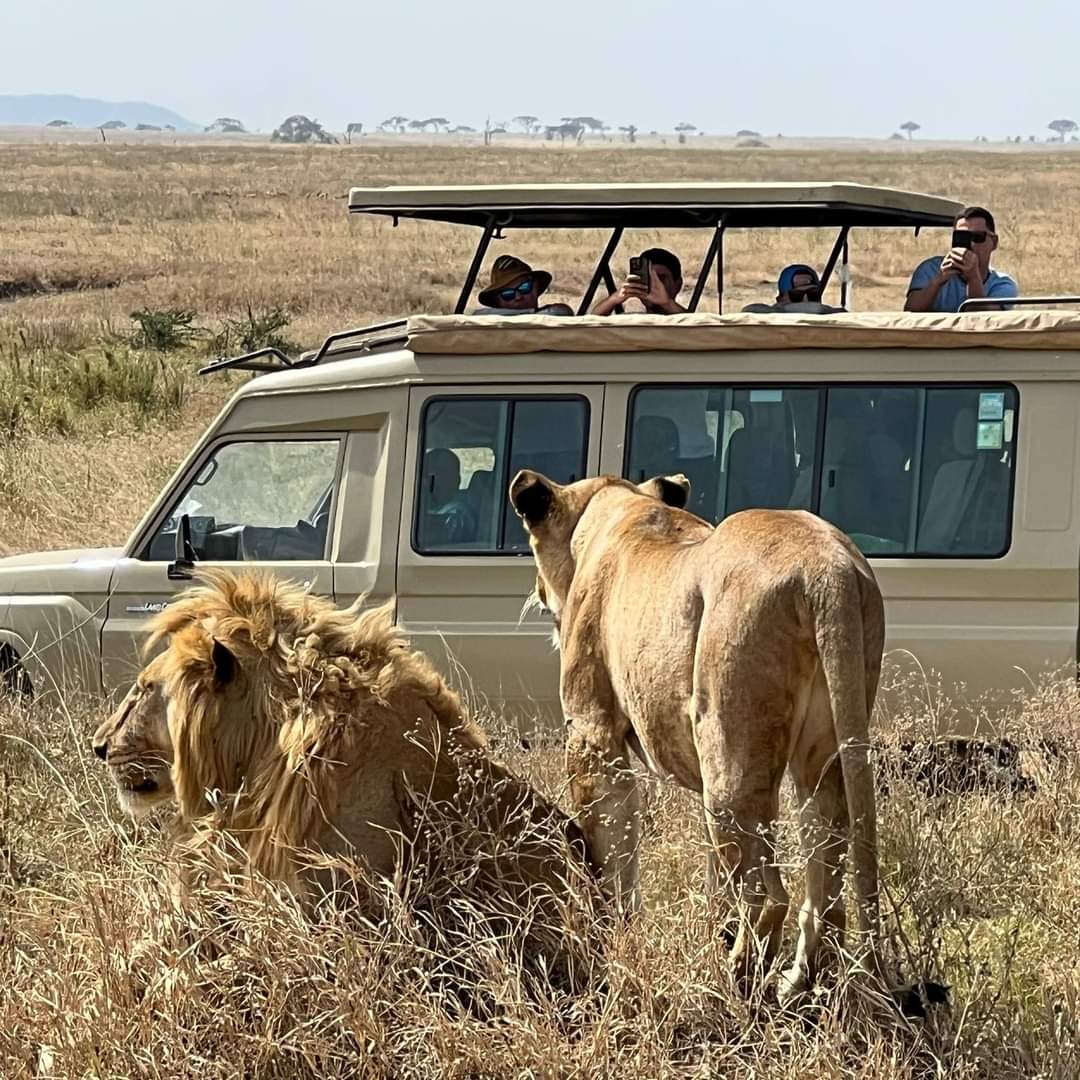
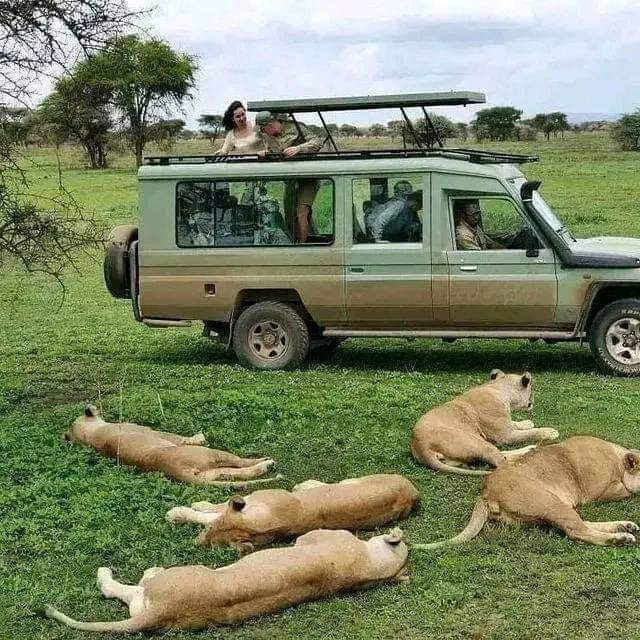
The park is fenced and managed as a sanctuary by the Kenya Wildlife Service, which has allowed it to become a stronghold for endangered species. White rhino — translocated from southern Africa — number around 70 and are reliably seen on every game drive. The smaller, browse-feeding black rhino population is around 50. Rothschild's giraffe, the rarest of the three Kenyan giraffe subspecies, was reintroduced to Nakuru in 1977 and now numbers 70+; the park is one of only five places in Kenya where you can see them. Lion are common and famously climb the candelabra euphorbia trees and the yellow acacias. Leopard are present but elusive, best spotted on early-morning drives along the Makalia escarpment. Other wildlife includes buffalo, eland, impala, waterbuck, the rare Bohor reedbuck and 450+ bird species.
The flamingos — what's actually happening
For decades Lake Nakuru was synonymous with millions of lesser flamingos turning the lake pink. Rising water levels since 2010 — partly from changing rainfall patterns and partly from regional water-table shifts — have lowered the lake's salinity and reduced the blue-green algae that flamingos feed on. As a result, the flagship flamingo population has shifted significantly to nearby Lake Bogoria and Lake Elmenteita. Lake Nakuru still hosts thousands of flamingos most months, but the iconic 'pink lake' photographs of the 1980s now require a detour to Bogoria, 90 minutes north. Travellers prioritising flamingos should ask their operator about the Bogoria + Nakuru combination.
Best time to visit
Lake Nakuru is a year-round park because the resident wildlife is always present. Dry seasons — June through October and January through March — give the best vehicle access and clearest viewing. The long rains (April–May) and short rains (November) bring lush greens, dramatic skies and the lowest prices, but some of the lake-edge tracks become impassable. Flamingo numbers fluctuate by month and by year — there is no fixed flamingo season, but counts tend to be higher in the dry months. The lake's water level changes the photography year by year; check recent images before booking.
How to get to Lake Nakuru
Lake Nakuru sits 160 km from Nairobi, a 2.5-hour drive on the recently improved A104 highway via Naivasha. The park's main gate is on the southern edge of Nakuru town. Most safaris combine Nakuru with Lake Naivasha (90 minutes south) and Hell's Gate, building a 2–3 night Rift Valley circuit. The route from Nairobi to the Maasai Mara via Nakuru and Naivasha adds half a day but is more interesting than the direct Narok road, and is the standard mid-range itinerary. Charter flights are not normally used for Nakuru — the road is fast and good.
Where to stay
Mid-range options inside or beside the park include Sarova Lion Hill Game Lodge ($180–250 per person, lake-view rooms recommended) and Lake Nakuru Lodge on the southern hillside ($160–220 per person). Comfort-tier options like Mbweha Camp and Lake Nakuru Sopa Lodge sit at $250–350 per person. Sunbird Lodge near Lake Elmenteita is excellent for travellers who want to combine Nakuru with the active flamingo lake nearby. Budget travellers can stay in Nakuru town at hotels like the Cathay or Merica for $50–80 per night and game-drive into the park for the day. KWS bandas inside the park are available for $40 per person for self-catering travellers.
Things to do beyond game drives
Baboon Cliff and Out of Africa Lookout — both reachable by short drives — give the panoramic photographs of the lake and flamingo flocks. Makalia Falls in the south of the park is a 10-metre seasonal waterfall worth a stop in the wet season. The lake-edge boardwalk near the main lodge area lets you walk safely among waterbuck and pelicans. A side-trip to Hyrax Hill prehistoric site (just outside the park) offers an archaeological context for the Rift Valley. For active travellers, biking and walking inside Hell's Gate National Park (45 minutes south at Naivasha) is a perfect complement.
Combining Nakuru with the Mara
The classic mid-range Kenya safari is a 6–7 day circuit: Nairobi → Lake Nakuru (1 night) → Maasai Mara (3 nights) → Nairobi. Adding a Naivasha night brings hippo boat rides and Hell's Gate biking into the mix, turning it into a varied 7-day trip. For travellers who want both rhino certainty and the migration, Nakuru is the rhino half — white rhino sightings are essentially guaranteed in a single morning, while the Mara delivers the lion and migration drama. Lake Nakuru is also the only place on the standard Kenya circuit where Rothschild's giraffe can be reliably seen.
Park fees and practical info
Lake Nakuru National Park is KWS-managed. Non-resident fees are $60 per adult per day and are included in safari packages. The park is fully fenced, which means no animals enter or leave overland — the wildlife you see is the wildlife that lives inside the perimeter. Vehicles must stay on tracks; off-roading is strictly prohibited. Pop-top roofs are recommended. Children of all ages are welcome and the park is excellent for first-time families because rhino sightings are so reliable. Bring a fleece for early morning game drives — the Rift Valley elevation (1,754 m) makes mornings cold even in the dry season.