
Destination guide
Everything you need to know about Amboseli National Park.
Why visit Amboseli
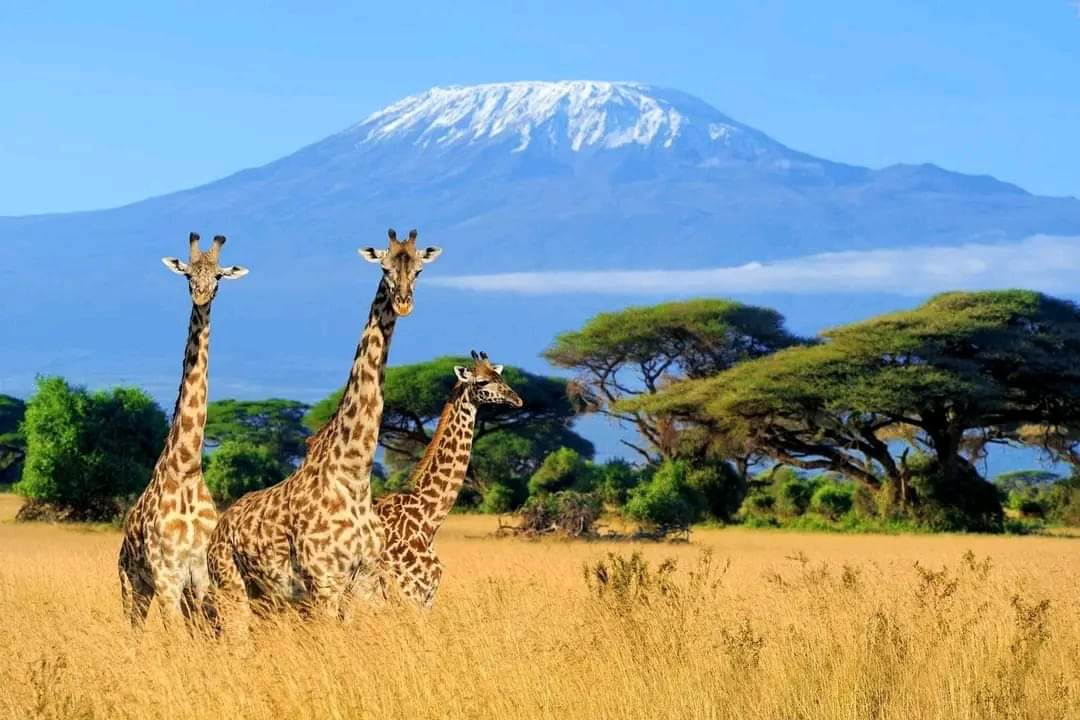
Amboseli National Park is Kenya's elephant capital and the only place on Earth where you can reliably photograph great-tusked elephant bulls walking under Mount Kilimanjaro. The park is small — 392 km² — but its position at the foot of the Kilimanjaro massif gives it permanent freshwater swamps fed by snow-melt from the mountain, which in turn give it the largest single elephant population in southern Kenya: around 1,600 elephants and roughly 50 named families that the Amboseli Trust for Elephants has studied since 1972. The 'tuskers' — bulls whose ivory reaches the ground — are now found in only one or two places in Africa, and Amboseli holds the largest concentration. For elephant photography, sunrise views of Kilimanjaro and the chance to see five generations of one elephant family in a single afternoon, no other park comes close.
Wildlife in Amboseli
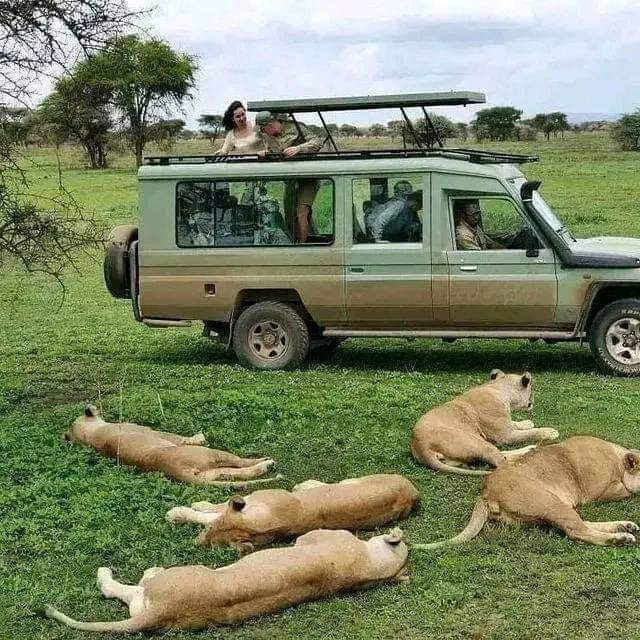
Elephant is the headline. The park's 1,600 elephants form roughly 50 family units that move between the four swamps — Olokenya, Enkongo Narok, Longinye and Ol Tukai — in daily patterns. Bulls including Tim (now passed) and his successors carry tusks of 50–70 kg. Lion are present but harder to find than in the Mara. Cheetah hunt the open plains. Hyena, jackal and serval are common. Bird life is exceptional with 400+ species, including African fish eagle, Egyptian goose, lesser flamingo (when Lake Amboseli holds water) and the Hartlaub's bustard. The big game viewing is concentrated around the swamps because that is where the water is.
Best time to visit
Amboseli is an all-year park because the swamps hold water permanently. The best months for clear Kilimanjaro views are June to October and January to early March — when the air is dry and the mountain is visible at sunrise and again at sunset. The long rains (April–May) and short rains (November) bring cloud, but also lush grass and dramatic skies. Dry-season elephant numbers around the swamps are highest because the surrounding ranches are dry and the elephants concentrate. For photography, the first hour after sunrise is when Kilimanjaro's snow cap glows pink — be on the swamp edge by 0600.
How to get to Amboseli
By road, Amboseli is 240 km from Nairobi via Emali — a 4-hour drive on tarmac except for the final 30 km of dirt to the gate. Most safaris combine Amboseli with Tsavo East and West on a 5–7 day southern circuit. By air, scheduled flights run from Wilson Airport to Amboseli airstrip in 45 minutes for $250 per person each way. Amboseli also pairs naturally with a Mount Kilimanjaro climb — the climb starts 2 hours away in Tanzania, so families often build a Kili summit + Amboseli safari combination.
The four swamps
The park's wildlife revolves around four swamp systems fed by underground springs from Kilimanjaro's slopes. Olokenya swamp on the south-eastern edge has the densest elephant traffic. Enkongo Narok is the largest and supports the highest hippo numbers. Longinye holds the southern lion prides. Ol Tukai is the central swamp where most lodges sit and where the elephant families congregate at midday. Each swamp has different access tracks, and a good guide rotates between them by time of day to follow the elephant movements.
Where to stay
Mid-range options inside or just outside the park (Amboseli Sopa, Sentrim Amboseli, Kibo Safari Camp) run $200–300 per person per night. Tortilis Camp, Ol Tukai Lodge and Tawi Lodge sit at $400–700 per person in the comfort tier. Luxury options — Elewana Tortilis, &Beyond Tortilis Suites, Angama Amboseli — run $800–1,500 per person all-inclusive. Several lodges have Kilimanjaro-facing rooms; book the room category specifically if the mountain view matters to you.
Maasai community context
Amboseli sits inside Maasai-occupied land and the park is bordered by Maasai group ranches — Olgulului, Eselenkei and Mbirikani — that act as buffer zones and migration corridors. Many lodges work with these group ranches under conservation lease agreements, paying landowners directly. A Maasai cultural visit in Amboseli is more meaningful than at most parks because the relationship between the Maasai and the elephants is genuinely current — elephants raid crops, lions take cattle, and the lease income partially compensates families for the cost of co-existence.
Things to do beyond game drives
Walking safaris are available in the Mbirikani group ranch outside the park. A visit to a Maasai village ($25 per person) in Olgulului supports the families who lease land to the conservancies. Sundowner drives to Observation Hill — the only place inside the park you can leave your vehicle — give a panoramic view across all four swamps with Kilimanjaro behind. Some camps offer night drives in the conservancies (not inside the park itself). For the true highlight, a dawn drive timed to put Kilimanjaro and an elephant herd in the same frame is the photograph most travellers come for.
Park fees and practical info
Amboseli National Park is managed by the Kenya Wildlife Service. Park fees are $60 per adult per day for non-residents (Sept–June) and $80 in July–August peak season. Vehicle numbers are not as tightly limited as in Tanzania, but off-roading is prohibited. Most lodges include park fees in the package price. Children are welcome from age 4 at most camps. Pack layered clothing — early-morning game drives on the open plains can be cold even in dry season because of wind chill from the mountain.