Destination guide
Everything you need to know about Queen Elizabeth National Park.
Why Queen Elizabeth belongs in a primate itinerary
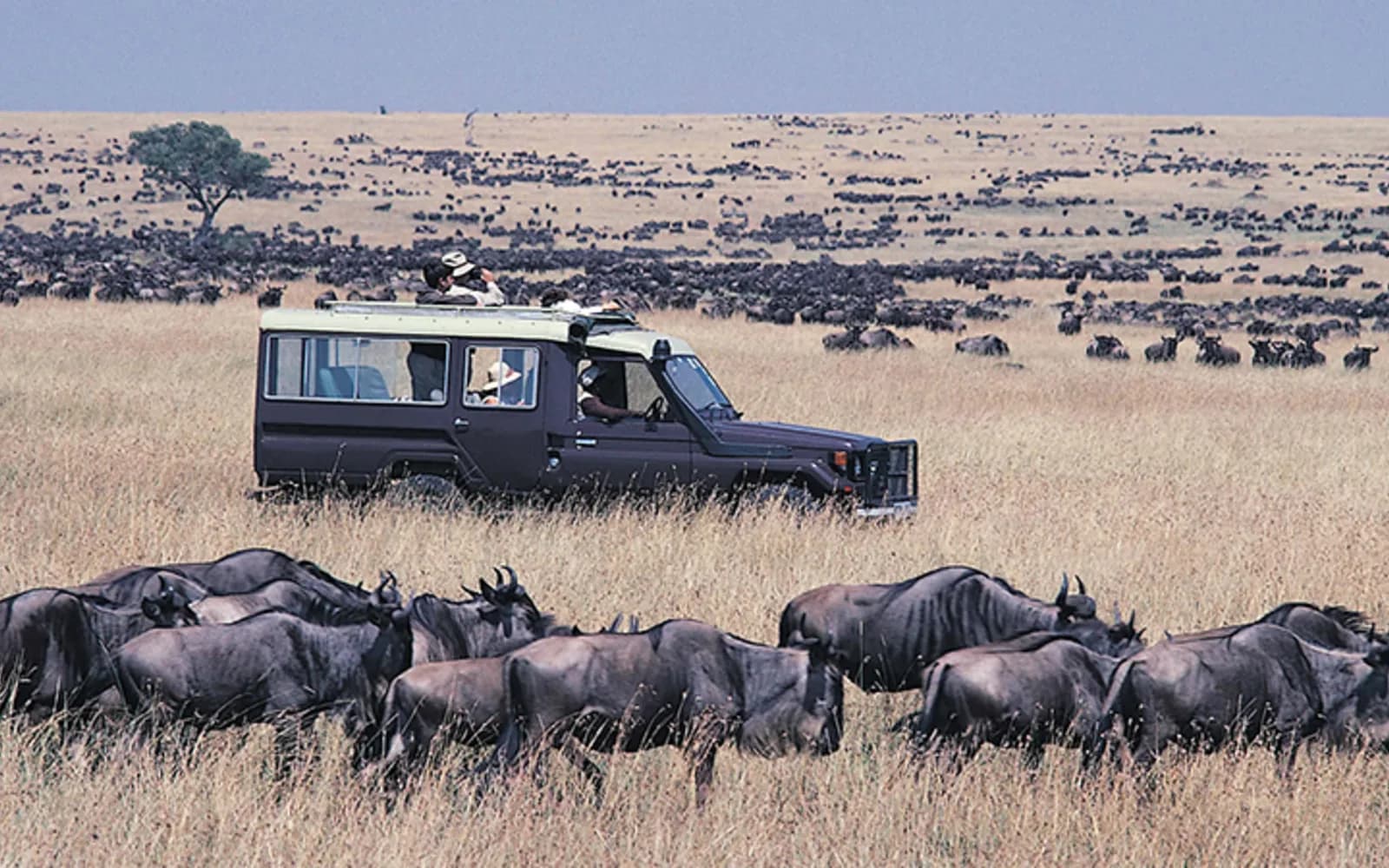
Queen Elizabeth gives western Uganda routes a genuine habitat change between the forests of Kibale and Bwindi. The Kasenyi plains support classic game-drive species, crater landscapes add geological variety, and the Kazinga Channel provides wildlife viewing from the water. It is particularly useful for travelers who want more than a forest-only primate trip.
Kasenyi plains and Kazinga Channel
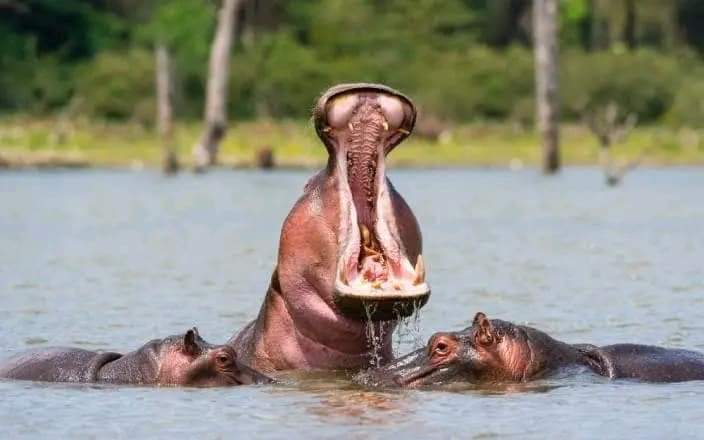
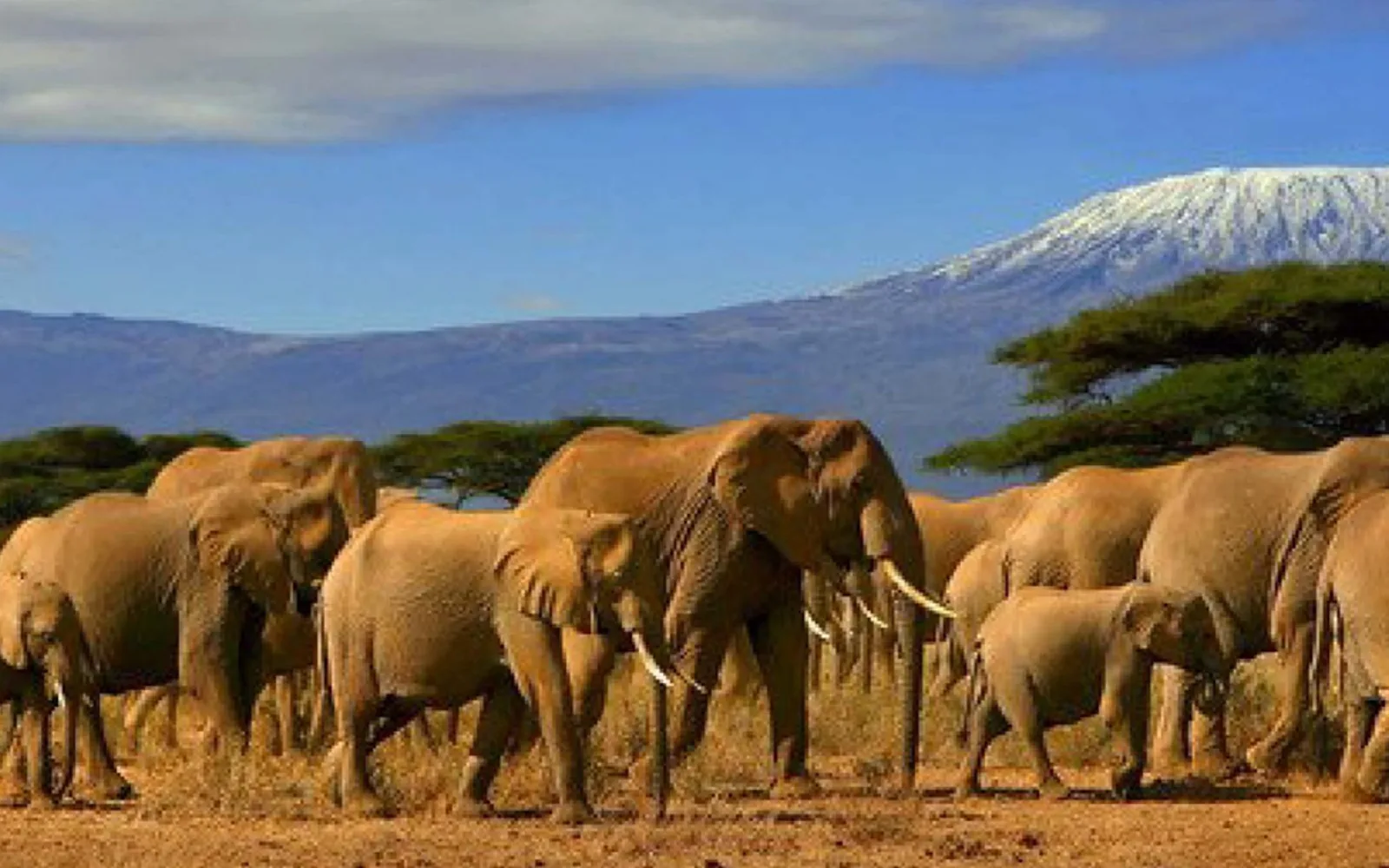
Early drives on the Kasenyi plains look for Uganda kob, buffalo, elephant, warthog and predators using the open grassland. Later, a scheduled boat journey on the Kazinga Channel can bring hippos, crocodiles, waterbirds and animals approaching the banks into view. Water levels, season and wildlife movement affect every outing, so species are described as possibilities rather than promises.
Ishasha and Kyambura are different experiences
The southern Ishasha sector is known for lions that sometimes rest in fig trees and it also forms the road link toward Bwindi. Kyambura Gorge is a forested cleft within the wider park landscape where ranger-led primate walks may be arranged. Neither should be treated as a quick add-on: Ishasha needs route time, and Kyambura requires its own booking and realistic expectations in dense habitat.
How long to stay
Two nights support one morning game drive and a channel boat journey. Three nights are better when the route includes Kyambura, Ishasha or a slower family pace. A one-night stop usually turns the park into a transfer break and leaves too little time for the habitats that make it distinctive.